It was the best tomato soup I have ever eaten, rich with that distinctive, freshly picked tomato flavor. I ate that delicious soup amidst rows of lush green tomato plants, hung with bright red fruit, looking almost like Christmas balls on a holiday tree. But, rather than a mid-summer garden idyll, I ate that soup inside a greenhouse, with outside temperatures lingering well below freezing.
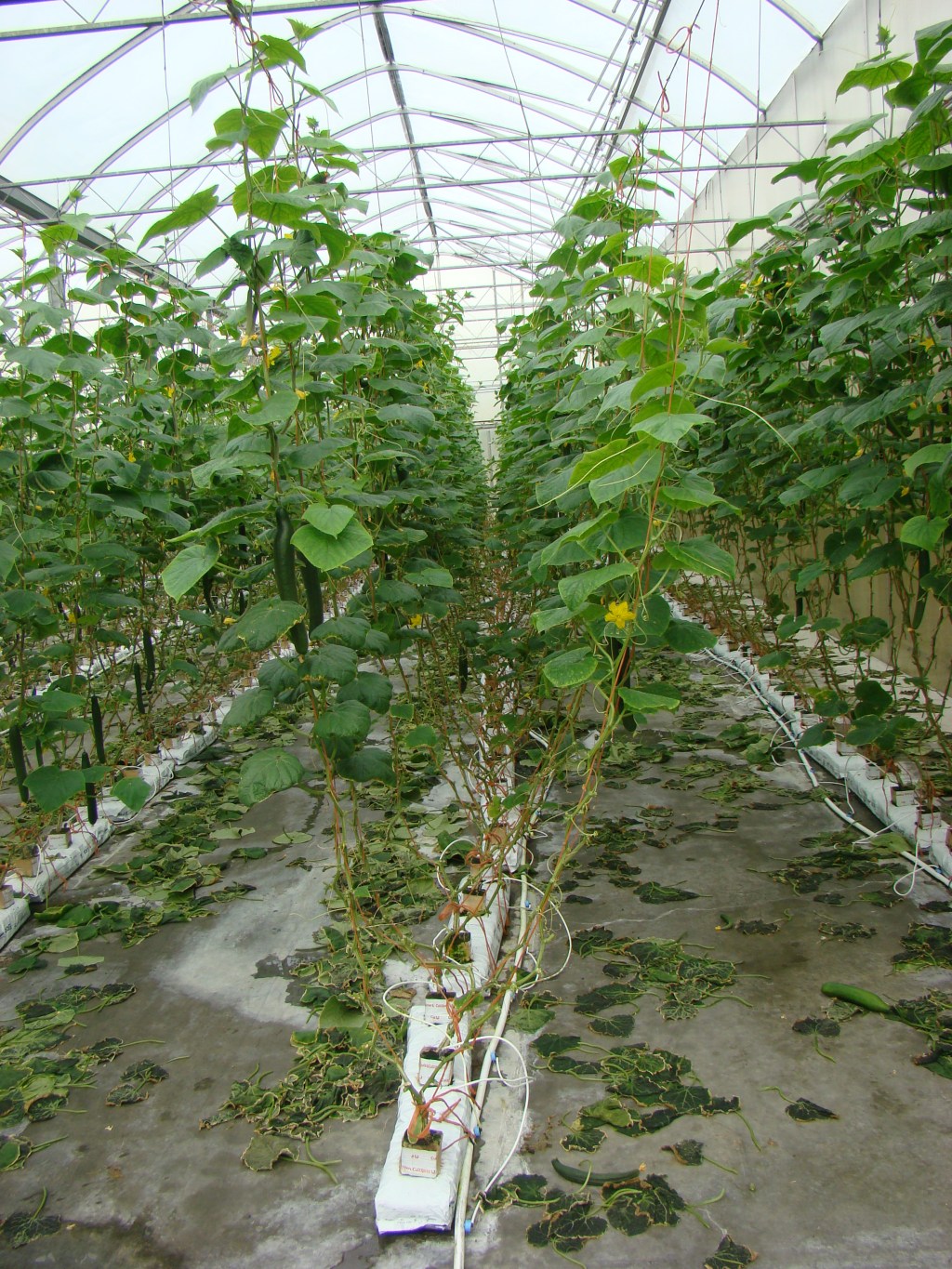
At Fridheimar Farm, outside of Reykjavik, Iceland, growing delicate tomatoes is a year-round pursuit, regardless the outside conditions. Inside a sprawling greenhouse, in what experts sometimes call “controlled environment agriculture”, Fridheimar grows tomatoes vertically, from rows of bags of soil-like growing medium. The plants with their heavy gather of ripening fruit, vine up to the lofty glass ceiling. The overall effect is an elevated thicket, a suspended hedge dotted with tomatoes.
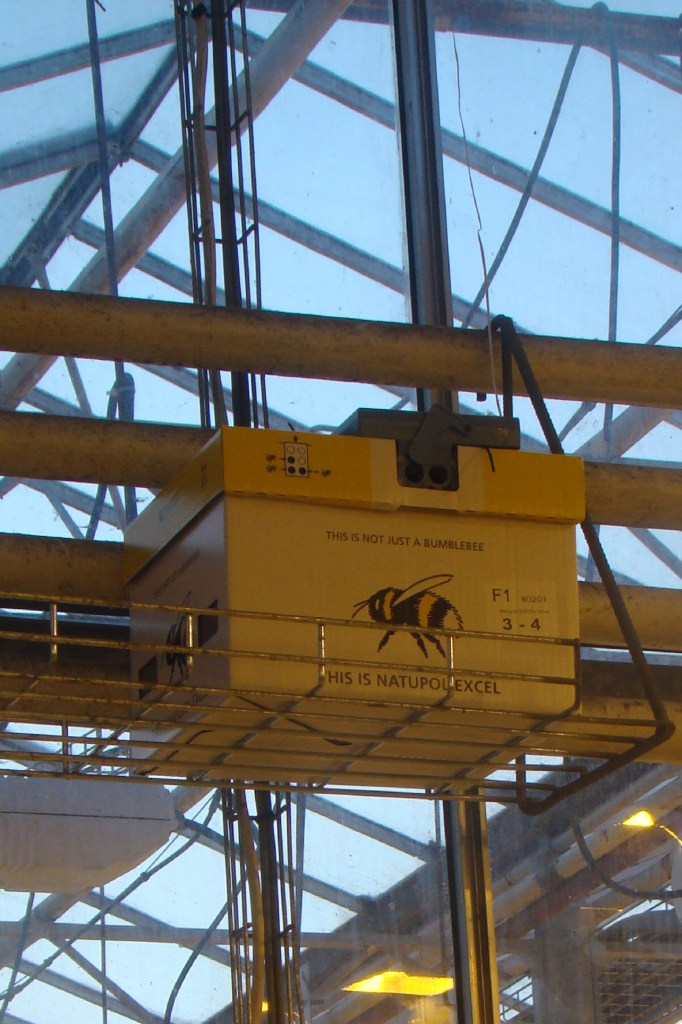
While Iceland does not have an ideal climate for growing tomatoes, it does have considerable geothermal resources that provide relatively inexpensive heat from tectonic activity. Cardboard cartons of insect pollinators, wryly referred to as “bee-in-a-box”, further enable their successful indoor agriculture.
Growing Technology
Other locations use other methods of vertical farming including stacking growing shelves from floor to ceiling, using artificial lights, and growing the plants in nutrient-enriched water. Some growers use industrial-sized greenhouses or soil beds inside massive warehouses to achieve economy of scale.
Advocates of indoor farming say it uses less water and land than conventional agriculture, protects crops from insect damage and extreme weather caused by climate change, and enables growing crops closer to consumers, saving on transportation costs. The most profitable indoor vertical farming crops tend to be herbs, leafy greens, mushrooms, peas, and strawberries. But, factors such as initial investment, operating costs, market demand, and price affect each controlled environment’s agricultural operation.
Indoor farming—vertical, horizontal, or otherwise—has been touted as a part of the solution to rising demands for food and the depletion of Earth’s limited natural resources. Even the U.S. Departments of Agriculture and Energy have explored indoor farming’s potential for increasing food production and expanding agricultural operations to help meet the demands of a world population projected to exceed 9 billion by 2050.
With two out of every three people expected to live in urban areas, growing fresh produce close to those populations could help meet food demands in an environmentally responsible and sustainable way by reducing distribution chains, lowering toxic emissions, providing higher-nutrient produce, and drastically reducing water use and runoff.
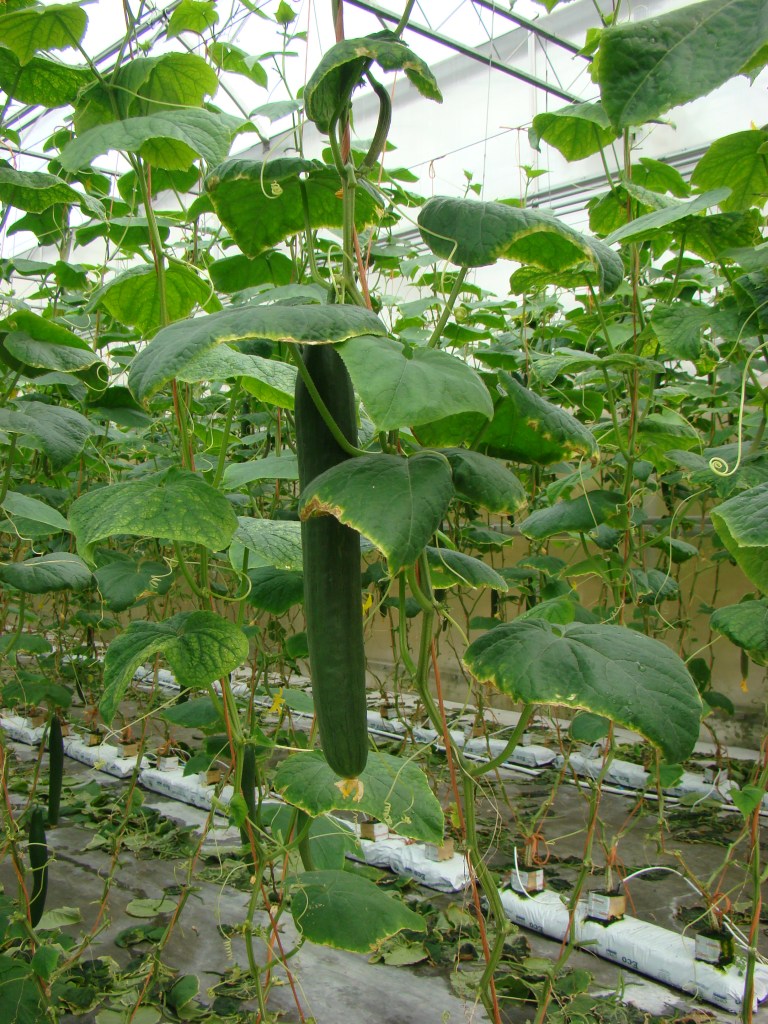
Industry Winners and Losers
But, not discounting my Icelandic tomato soup experience, indoor farming has yet to meet the lauded expectations of scale. Energy costs receive a large piece of the blame; it takes too much electricity for energy-intensive artificial light to replace the sun during the day and replicate it at night. Paying for that light and any heating, cooling, and ventilation, can eliminate any hope of profitability. While using solar fosters sustainability, analysts have calculated that at least 5 or 10 acres of solar panels provide the power needed by each acre of vertical farming.
The promise of technology driving more sustainable and productive agriculture is there; but, the follow-through has yet to materialize on the scale necessary to have a positive global effect. Agribusiness will continue to seek environmentally supportable methods. I hope they hurry. It’s getting difficult to fly to Reykjavik every time I want good tomato soup.
 Back to What We're Having
Leave a comment